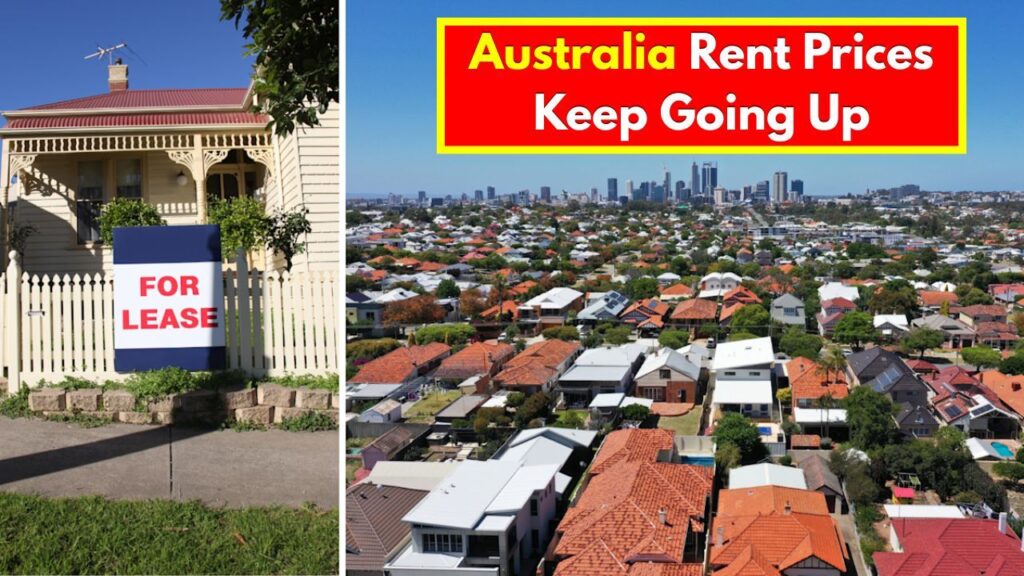
The housing landscape across Australia has entered a period of intense pressure in 2026, with rental affordability becoming one of the most pressing financial concerns for households. Rising rents, limited property availability, and increasing living costs have combined to create a challenging environment for tenants and property seekers alike.
For many households, rent is now the single largest monthly expense. As demand continues to outpace supply, renters are facing fewer choices, higher competition, and stricter rental conditions. Understanding the forces behind this rental crisis—and what lies ahead—can help tenants make smarter financial and lifestyle decisions.
The Core Driver: A Persistent Housing Supply Shortage

One of the most significant contributors to rising rents in 2026 is the shortage of available housing. This imbalance between supply and demand has intensified across metropolitan and regional markets.
Limited New Housing Development
Construction delays have slowed the delivery of new housing projects. Several factors have contributed to this slowdown:
- Rising construction material costs
- Skilled labor shortages
- Longer regulatory approval timelines
- Increased financing expenses for developers
When fewer new properties enter the market, the pressure on existing rental homes increases. This imbalance leads to higher competition among tenants, often resulting in rapid rent increases.
Population Growth and Urban Demand

Strong population growth continues to increase housing demand, particularly in major cities. Migration, both domestic and international, has intensified the need for rental accommodation.
Urban centers remain attractive due to employment opportunities, education access, and lifestyle amenities. As more people move into high-demand areas, rental markets tighten, pushing prices upward.
Reduced Rental Listings
In some regions, property owners have shifted their investments away from long-term rentals. Changes in market conditions, regulatory requirements, and investment strategies have reduced the number of rental listings available to tenants.

Fewer available properties mean renters must compete aggressively, often offering higher rents to secure housing.
Inflation and Rising Living Costs Are Driving Rent Higher
Inflation continues to shape the financial realities of both landlords and tenants in 2026. The rising cost of maintaining properties has become a key factor behind rent increases.
Higher Property Maintenance Costs
Property ownership expenses have increased significantly in recent years. Landlords now face higher costs in several areas:
- Building maintenance and repairs
- Insurance premiums
- Utility costs for shared facilities
- Property management fees
These rising costs are frequently passed on to tenants through higher rent payments.
Interest Rate Pressures on Property Owners
Interest rate movements have also influenced rental prices. Property investors who rely on financing face higher loan repayments when borrowing costs rise.
To maintain profitability and manage debt obligations, many landlords increase rental rates. This financial pressure contributes to steady rent growth across the market.
Rising Utility and Energy Expenses
Energy costs continue to increase globally, affecting households and property operations alike. Buildings that rely heavily on electricity, heating, or cooling systems have become more expensive to operate.
These additional expenses often translate into higher rental charges or service fees for tenants.
Government Policies and Market Regulation Challenges
Governments have introduced several housing policies aimed at improving affordability, but many initiatives have faced limitations in delivering immediate relief.
Rent Control Discussions
Rent control policies have been widely debated in recent years. Some regions have considered caps on annual rent increases to protect tenants from sudden price spikes.
However, implementing strict controls can be complex. Policymakers must balance tenant protection with maintaining incentives for property investment.
Without adequate investment, rental supply could shrink further, worsening the housing shortage.
Housing Incentive Programs
Governments have encouraged developers to build new residential projects through incentives such as tax benefits and infrastructure support.
While these initiatives may improve supply over time, new housing developments typically take years to complete. This delay means short-term rental pressures remain significant.
Tenant Support and Assistance Programs
Financial assistance programs have been introduced to help vulnerable households manage rising housing costs. Rental subsidies and targeted support measures provide temporary relief for eligible tenants.
However, these programs do not fully resolve the structural imbalance between supply and demand.
Regional and Urban Differences in Rental Pressure
Rental market conditions vary widely across different parts of Australia.
Major Cities Continue to Lead Price Growth
Urban centers remain the most competitive rental markets due to concentrated employment opportunities and lifestyle benefits.
Tenants seeking accommodation in city centers often face:
- Limited property availability
- Competitive bidding environments
- Shorter vacancy periods
Premium locations continue to command the highest rental prices due to strong demand.
Regional Areas Are Experiencing Rising Demand
Regional markets have also seen growing demand in recent years. Improved digital connectivity and remote work flexibility have encouraged relocation outside major cities.
As more people move into regional areas, rental demand increases, reducing the affordability advantage these regions once offered.
What Tenants Can Expect in the Coming Months
Looking ahead, rental market conditions are expected to remain challenging through the remainder of 2026.
Continued Competition for Available Properties
With supply shortages persisting, competition among tenants is likely to remain strong. Property inspections may continue to attract large numbers of applicants, particularly in high-demand areas.
Tenants may need to act quickly when suitable properties become available.
Gradual but Persistent Rent Growth
While dramatic rent spikes may stabilize in some areas, gradual rent increases are expected to continue as long as demand remains elevated.
Long-term affordability improvements will depend on sustained housing development and supportive economic conditions.
Increased Focus on Property Value
Tenants are becoming more selective about property features that justify higher rent payments.
Modern renters often prioritize:
- Energy-efficient appliances
- Secure buildings
- Flexible living spaces
- Access to transportation networks
Properties that offer long-term cost savings through efficiency features may become more attractive.
Smart Strategies Tenants Can Use to Manage Rising Rent
While the rental crisis presents significant challenges, proactive planning can help tenants maintain financial stability.
Consider Expanding Location Options
Exploring neighborhoods slightly outside central areas can provide more affordable rental opportunities. Improved transport infrastructure has made commuting from suburban locations more practical.
Flexible location choices can increase housing options while reducing rental costs.
Negotiate Lease Terms Strategically
In certain situations, landlords may be open to negotiation, especially when tenants demonstrate reliability and financial stability.
Negotiation opportunities may include:
- Longer lease agreements
- Flexible move-in dates
- Minor rent adjustments
Professional communication and preparation can strengthen negotiating outcomes.
Share Housing to Reduce Costs
Shared accommodation remains one of the most effective ways to manage housing expenses.
Splitting rent and utility costs across multiple occupants significantly reduces individual financial burdens.
This strategy has become increasingly popular among professionals and students alike.
Strengthen Personal Financial Planning
Budgeting plays a crucial role in managing rising rental expenses. Allocating funds carefully and maintaining emergency savings can reduce financial stress during periods of rent increases.
Financial preparedness allows tenants to respond more effectively to changing market conditions.
Long-Term Outlook: When Might the Rental Crisis Ease?
Resolving the rental crisis will require sustained improvements in housing supply and long-term market stability.
Increased Housing Construction Is Essential
New residential developments remain the most effective long-term solution to supply shortages. As construction pipelines expand, additional rental properties will gradually enter the market.
However, the impact of new developments will likely take several years to become fully visible.
Technological Innovation in Housing
Modern construction methods and modular housing technologies may accelerate building timelines in the future.
These innovations could reduce construction costs and increase housing availability over time.
Balanced Market Growth
A balanced rental market requires steady population growth, manageable interest rates, and consistent housing development.
When these elements align, rental affordability can gradually improve.
Final Thoughts
The rental crisis in Australia during 2026 reflects a complex combination of supply shortages, economic pressures, and population growth. While immediate relief remains limited, understanding the forces shaping the market empowers tenants to make smarter financial decisions.
Adapting to evolving rental conditions through strategic planning, location flexibility, and financial discipline will be essential for navigating this challenging housing environment. As new housing developments gradually expand supply, long-term stability may eventually return—but until then, careful preparation remains the most reliable path forward for tenants.